Bury St Edmunds
Bury St Edmunds grew up around a great Benedictine abbey, founded to house the shrine of the martyred Anglo-Saxon king Edmund, and the abbey's ruined arches and grounds — now a public park — still sit at the heart of the town.
The abbey was one of the wealthiest and most powerful in medieval England before its dissolution in 1539, and the surviving Abbey Gate and Norman Tower give some sense of the scale of what was lost. The town that grew up alongside it was laid out on a grid plan by the monks, unusually early and regular for an English town, and much of what stands on those streets today is handsome Georgian and Victorian rebuilding rather than anything medieval.
The Theatre Royal, a small Regency playhouse built in 1819 and now cared for by the National Trust, still stages a regular programme and is thought to be one of only a handful of theatres from that period still in use anywhere in the country. Bury is also home to Greene King's brewery, and the malty smell from it drifts over parts of the town centre on brewing days.
Where to Stay in Bury St Edmunds
-
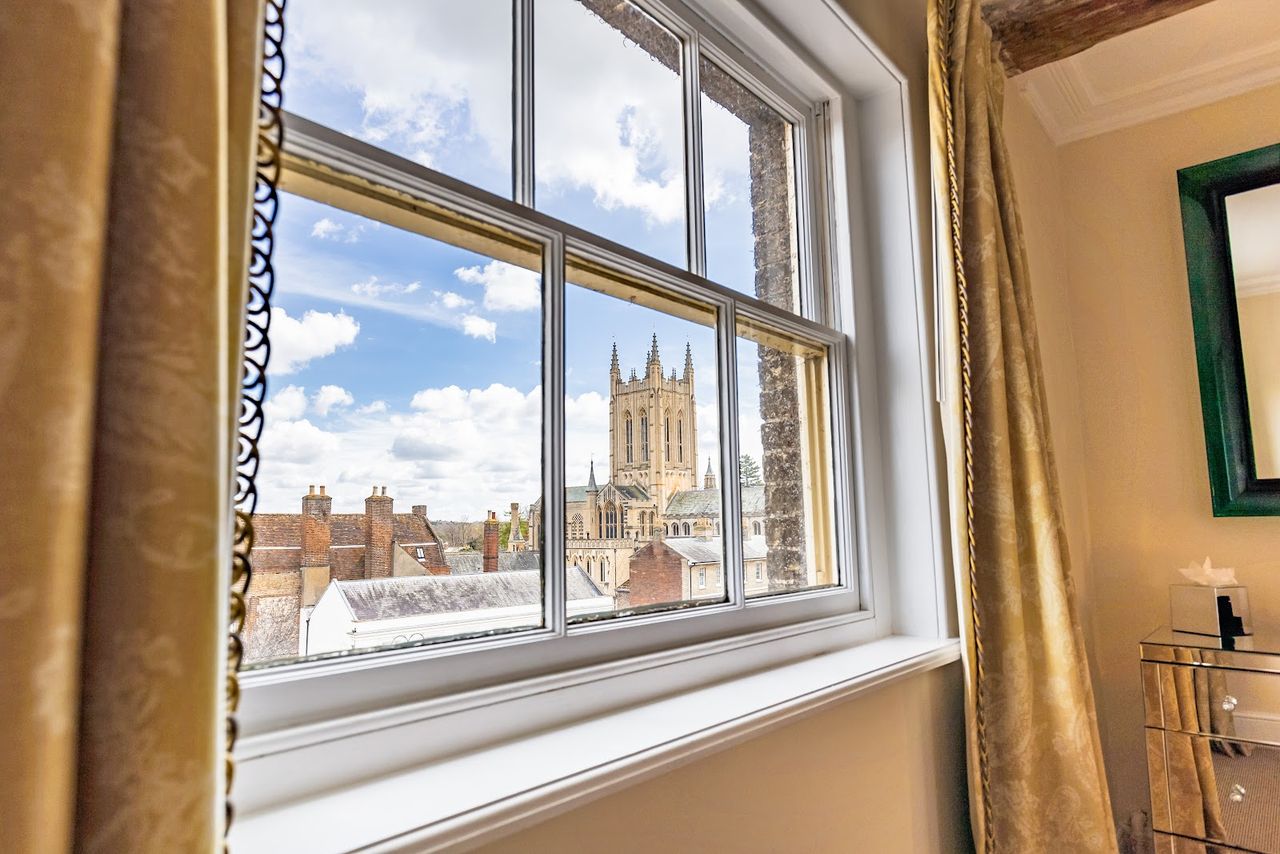 The Angel Hotel — a Georgian coaching inn directly opposite the Abbey Gate, with a long history including a stay by Charles Dickens.
 - The Priory Hotel — set in gardens close to the abbey grounds, a short walk from the town centre.
-
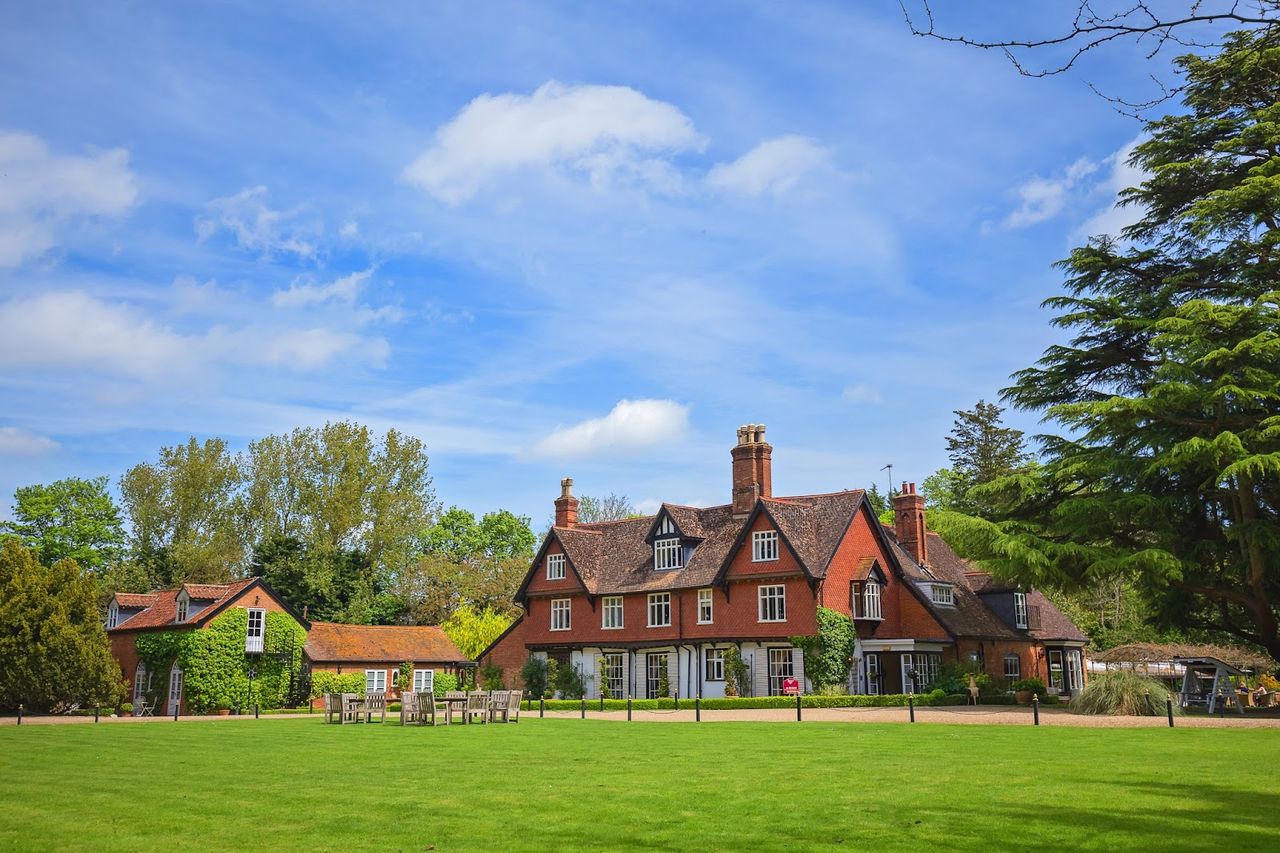 Ravenwood Hall Hotel — a country house hotel just outside town, set in its own grounds.
 - Premier Inn Bury St Edmunds Central — a reliable budget option close to the town centre.
-
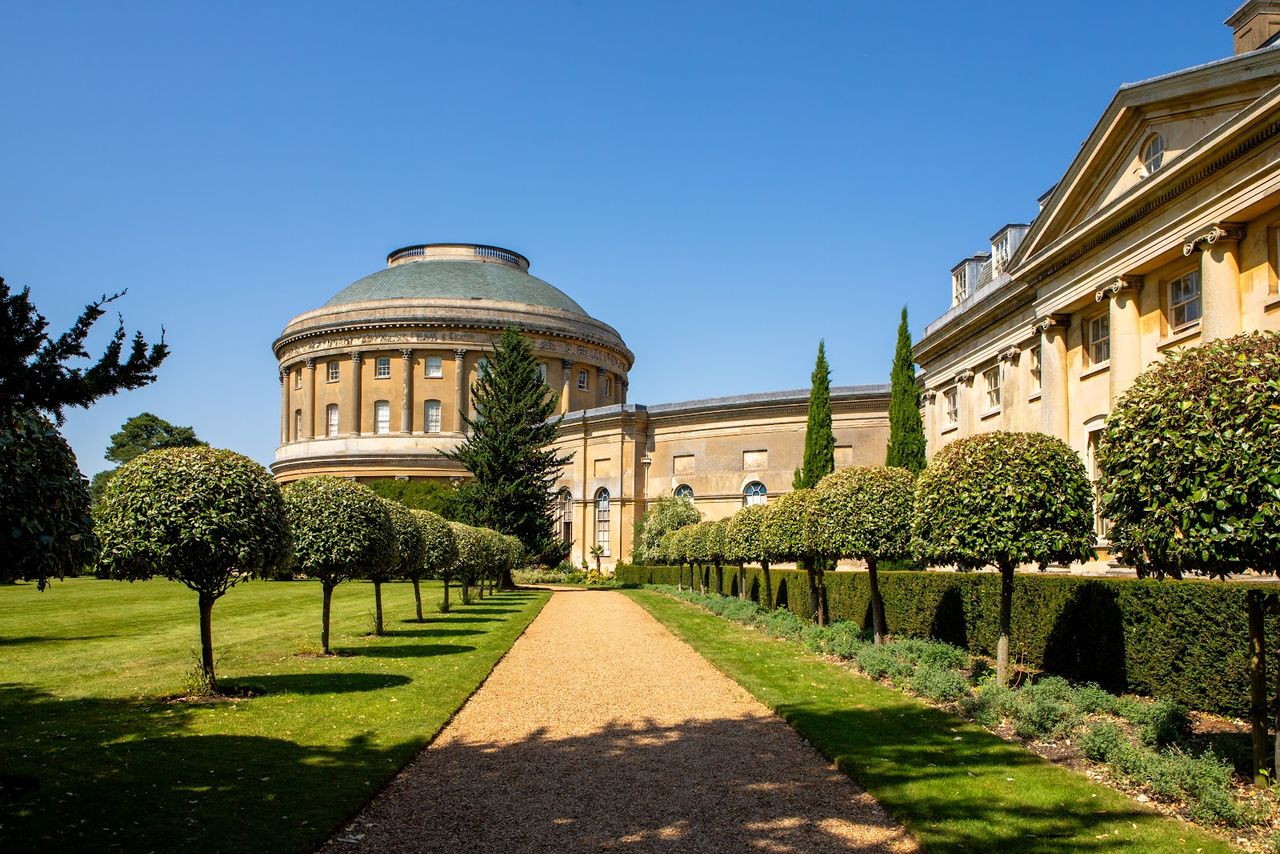 The Ickworth Hotel & Spa — a 4-star hotel on the National Trust's Ickworth estate, with a spa and indoor pool.
 -
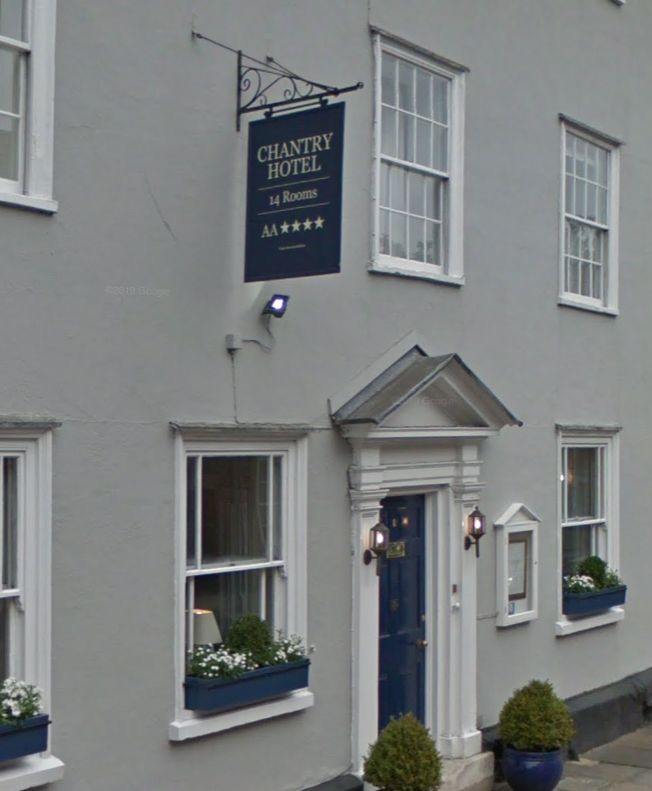 The Chantry Hotel — a smaller, family-run hotel on Sparhawk Street close to the town centre.
 -
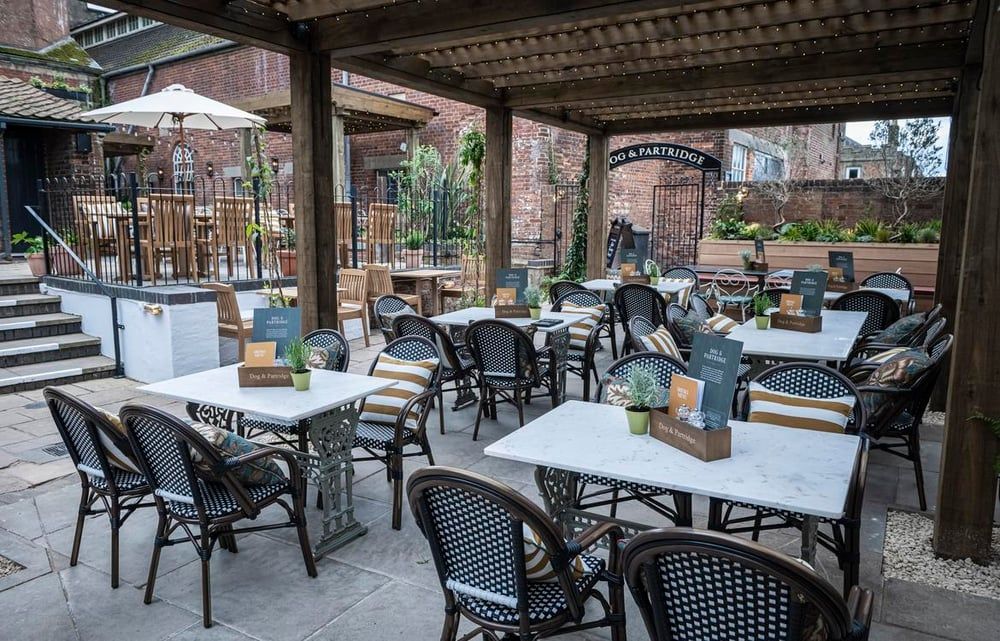 Dog and Partridge by Greene King Inns — a pub-hotel on Crown Street in the town centre.
Getting there
Bury St Edmunds has a direct rail line to Cambridge and on to Ipswich, and sits just off the A14, making it a workable base for exploring the surrounding West Suffolk countryside as well as day trips to Cambridge.