Suffolk Coast
The stretch of coast running from Aldeburgh up to Southwold is low-key by design — no big resorts or amusement arcades, just shingle beaches, weatherboarded cottages, and two small towns that have each built a quiet reputation of their own.
Aldeburgh is best known for its long shingle beach, its fishing boats still hauled up on the shore near huts selling the day's catch, and for its connection to the composer Benjamin Britten, who lived nearby and co-founded the Aldeburgh Festival in 1948. That festival, now centred on the Snape Maltings concert hall a few miles inland, remains a major fixture on the classical music calendar. The seafront Moot Hall, a 16th-century timber-framed building now oddly close to the water's edge after centuries of coastal erosion, houses a small local history museum.
Southwold, a little further north, is arguably the more photographed of the two, thanks to its rows of brightly painted beach huts, its Victorian pier (rebuilt after storm damage and now home to some deliberately eccentric slot machines), and its white-and-black lighthouse standing incongruously among the town's houses rather than out on a headland. Adnams, the local brewery, has been based in Southwold since the 19th century and owns several of the town's best-known buildings.
Where to Stay on the Suffolk Coast
-
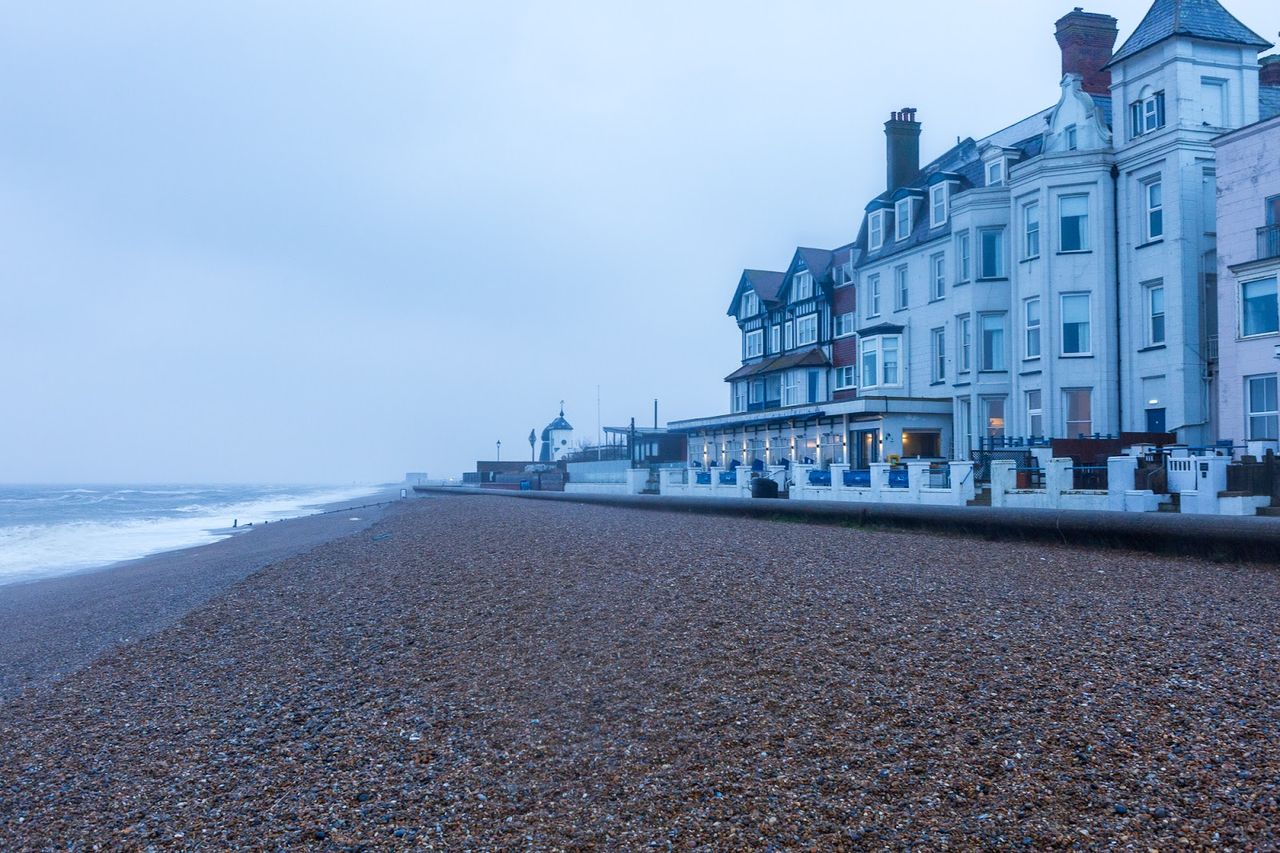 The Brudenell Hotel — a seafront hotel at the quieter southern end of Aldeburgh beach.
 -
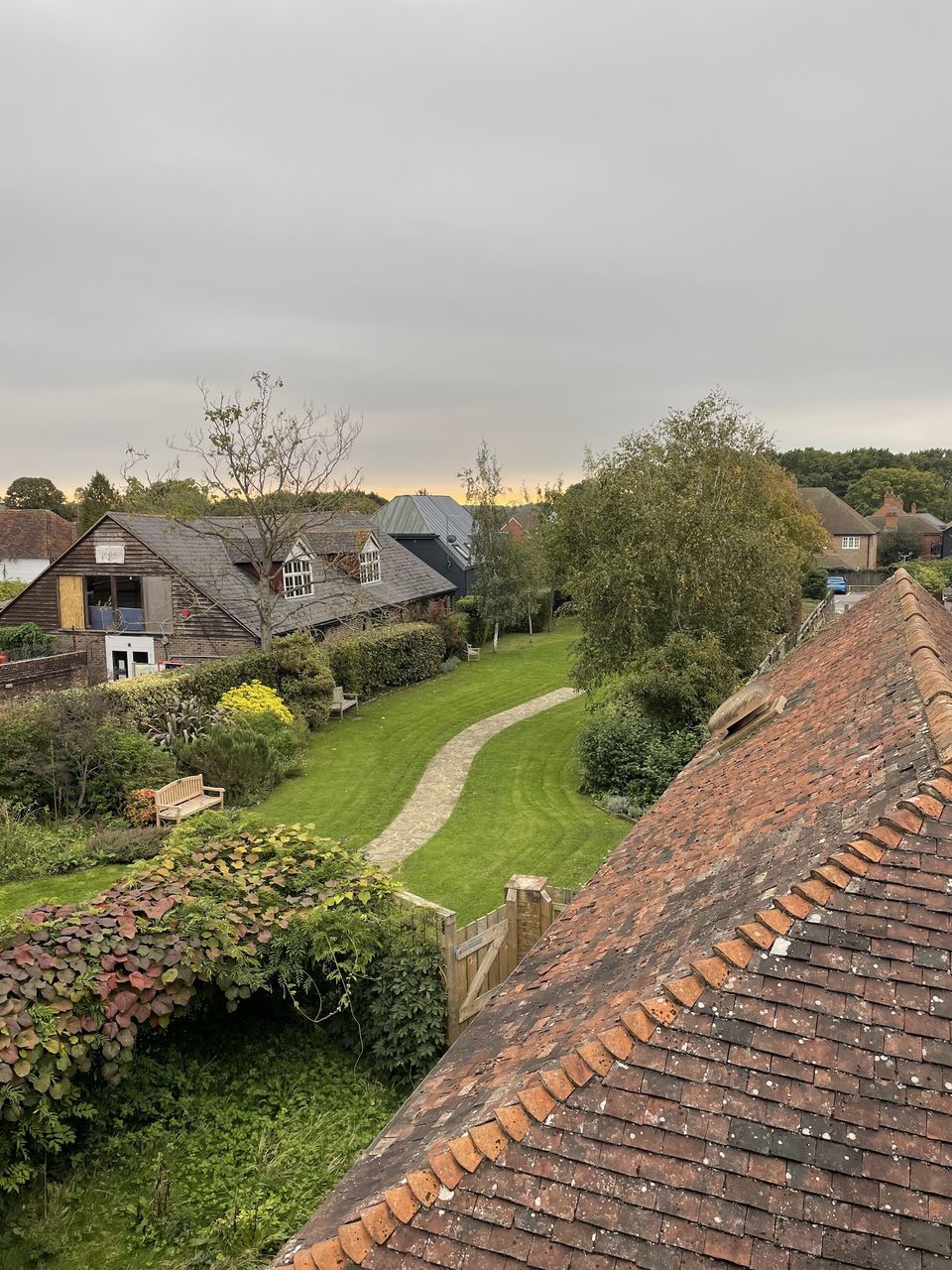 The White Lion Hotel — a long-established hotel on Aldeburgh's high street, close to the Moot Hall.
 - The Swan Hotel — an Adnams-owned coaching inn at the heart of Southwold's Market Place.
-
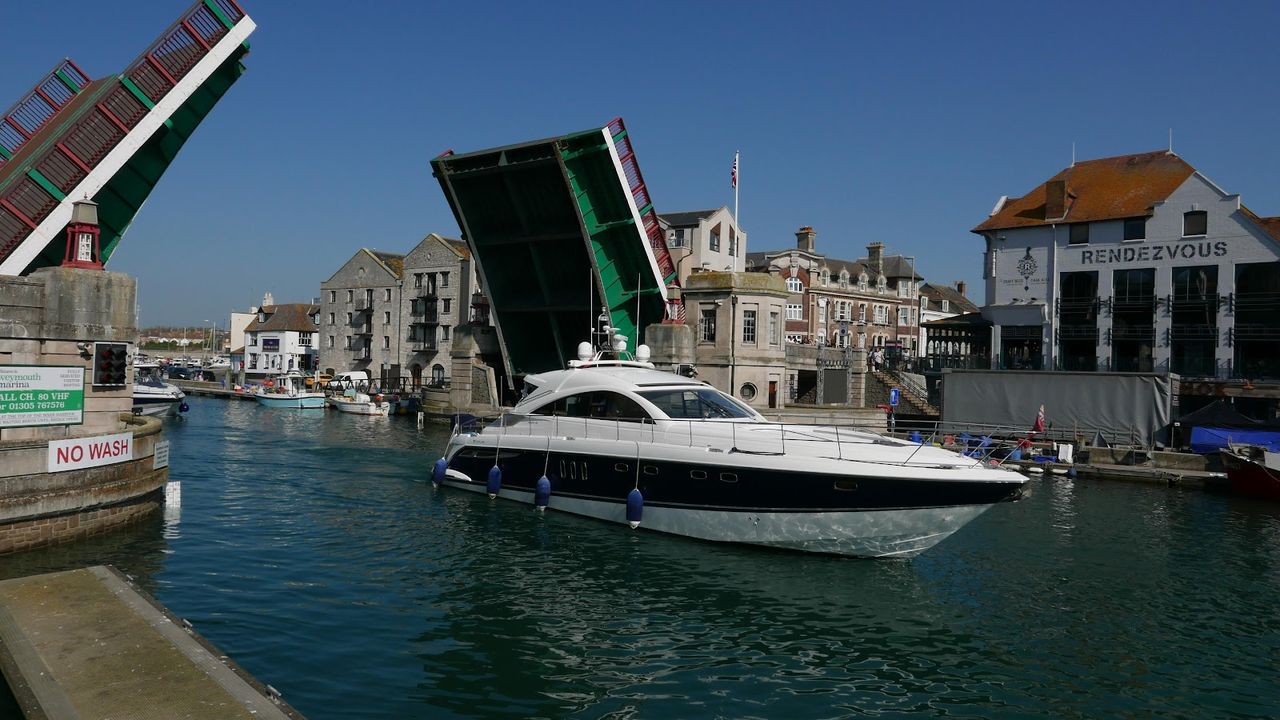 The Crown — another Adnams hotel, smaller and more informal, on Southwold's high street.
 -
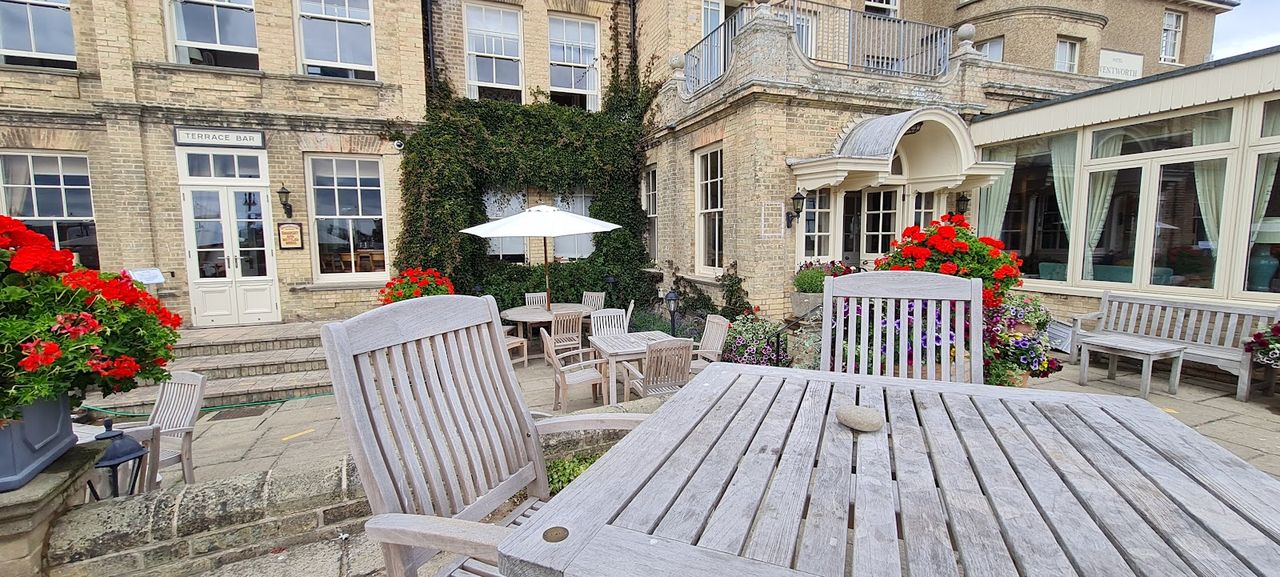 Wentworth Hotel — a traditional, family-run hotel on Aldeburgh's seafront.
 -
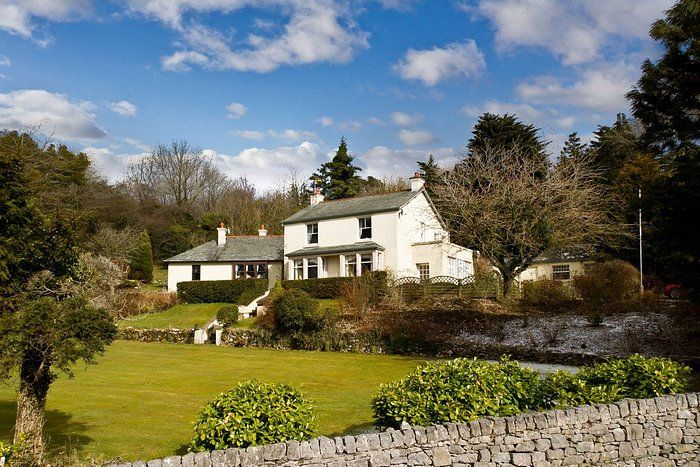 The Uplands Hotel — set back from the seafront in its own garden, a quieter alternative.
 -
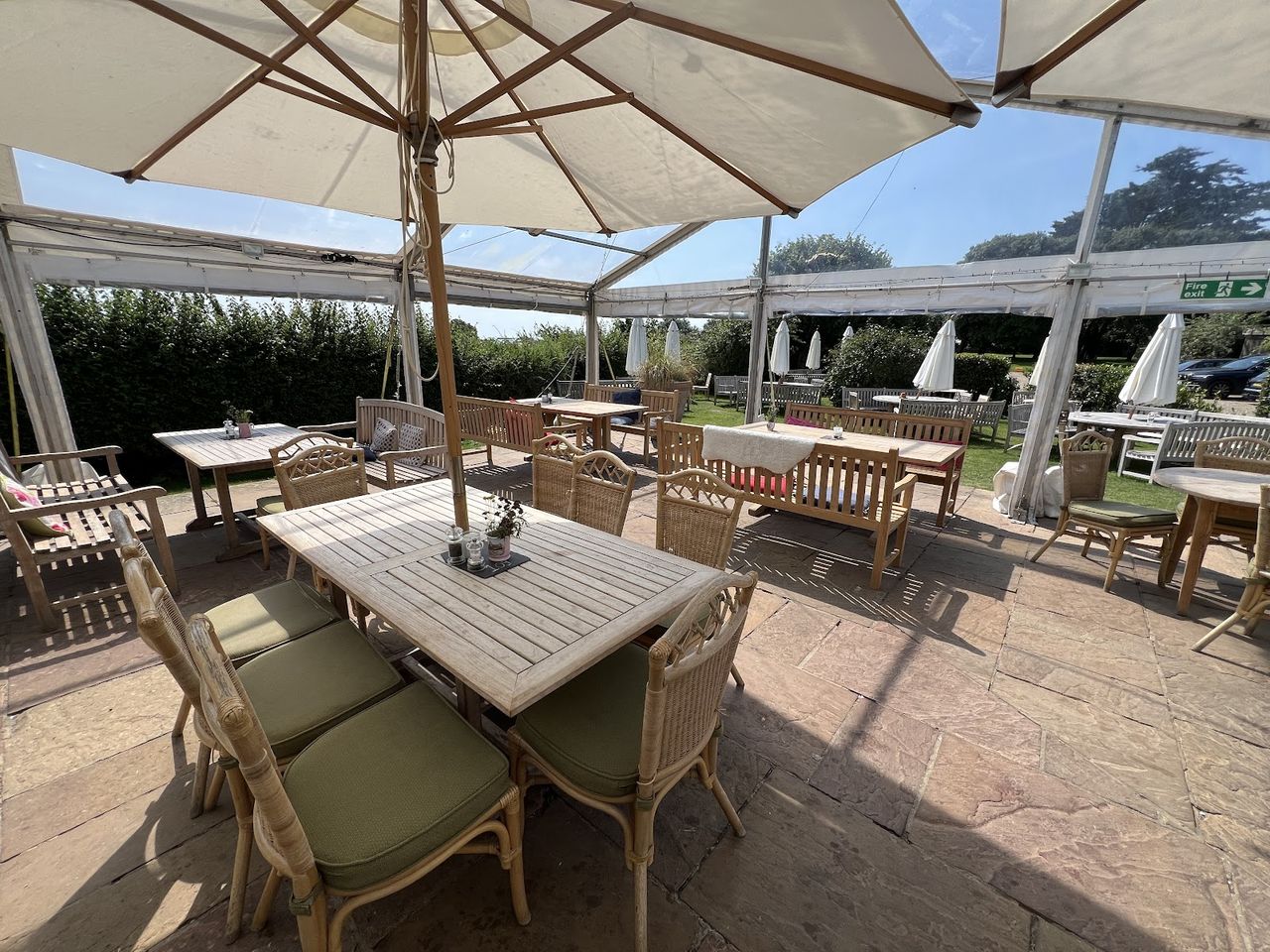 The Anchor at Walberswick — a well-known inn just across the river from Southwold, with its own brewery.
Getting there
Neither town has its own railway station — the nearest mainline stops are Saxmundham (for Aldeburgh) and Darsham (for Southwold), both on the branch line from Ipswich, with a short taxi or bus ride to finish the journey. Driving from Ipswich takes roughly 45 minutes to either town.